Sketch What You Mean, Remember What You See

Welcome! Today we’re exploring Visual Thinking and Sketchnoting for Everyone, turning thoughts into simple marks that unlock clarity, memory, and collaboration. Whether you draw stick figures or complex diagrams, you can capture meaning, see connections, and share ideas that spark action. Expect practical techniques, real stories, and friendly guidance for adapting on paper or screens, plus encouragement to post your own experiments, ask questions, and keep practicing until drawing feels as natural as speaking.

Why Pictures Make Ideas Stick

Our brains latch onto images faster than text alone, and the blend of words with visuals reduces cognitive load while boosting recall. When you sketch as you listen or think, you create anchors that memory can revisit. This is not about artistic talent; it’s about shaping attention and meaning. Dual coding research suggests combining verbal and visual channels improves understanding, and sketchnoting makes that combination delightfully accessible. Try it in your next meeting or lecture and notice how retention and engagement shift dramatically.

Dual Coding in Everyday Life

Think of a subway map: names are helpful, but shapes, colors, and lines make navigation automatic. The same principle applies to notes. Add a simple icon or container to a key point, and you’ll recall not just the fact but the context. Blending text with visuals helps different mental pathways collaborate, turning confusing details into a coherent picture you can explain.

From Doodles to Decisions

A product manager once shared a napkin sketch that saved weeks of debate. The rough drawing clarified responsibilities and timeline dependencies at a glance. Nobody admired the art, but everyone saw the plan. That is the power of visual thinking: decisions emerge because the conversation finally has a shared reference. Simple marks become alignment, and alignment becomes momentum.
Begin with a Pen and Open Mind

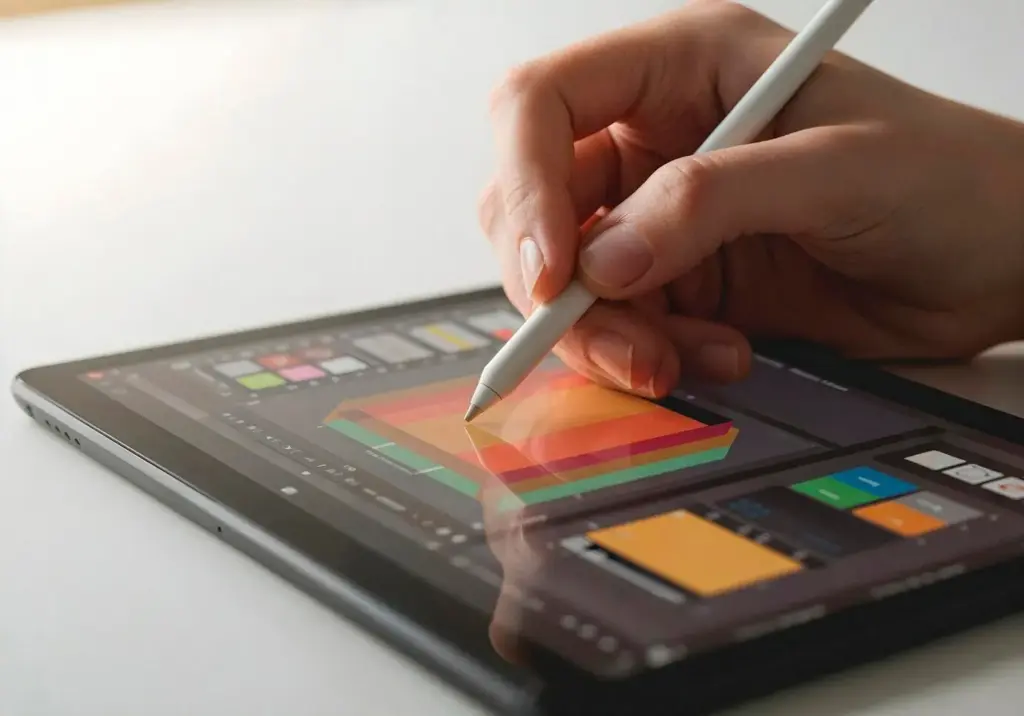
You do not need fancy tools to start; a cheap notebook and a reliable pen are perfect. Focus on legibility, contrast, and comfort. Sketch in blocks of time, not blocks of pressure. Keep your lines light, your labels clear, and your expectations kind. Create a safe space to practice with small wins, like a single icon per idea. The goal is understanding, not decoration. Momentum grows when your marks serve your thinking instead of performing for an audience.

Layouts That Guide the Eye

A helpful layout is a quiet guide, signaling where to start and how ideas relate. Whether you choose columns, a radial burst, or a path that flows left to right, consistency matters more than complexity. Use generous spacing to separate concepts. Create a hierarchy with bold headers, medium subheads, and small details. Add arrows and connectors sparingly so relationships are unmistakable without being overwhelming. The result is a map that invites reading without explanation.

Meeting Notes People Revisit

Imagine circulating one page that captures goals, decisions, owners, and next steps with clear icons and tidy containers. People re-open it because it’s useful, not because it’s pretty. Use a corner for risks and a simple timeline for deliverables. Ask the group to validate the sketch live. The act of agreement turns the page into a shared contract everyone understands.

Study Sessions That Stick

When studying, sketch a concept map that links definitions, examples, and counterexamples. Pair formulas with a tiny story or metaphor to anchor meaning. Create a one-page summary after each chapter, then a final consolidated sheet. Review by tracing connectors aloud. Teaching your future self through visuals builds long-term memory, lowers anxiety during exams, and reveals where deeper practice is needed.

Workshops That Energize Teams

Facilitators can scaffold activities with visual templates: empathy maps, journey maps, or priority matrices. Invite participants to fill them in with quick icons and keywords. The room becomes a gallery of shared understanding. Rotate groups to interpret each other’s pages, surfacing assumptions and creative alternatives. Close by photographing the walls and compiling a concise visual report everyone can reference without sifting through slides.

Real-World Moments to Draw Your Thinking

Sketchnoting shines when the stakes are practical: meetings, talks, planning sessions, and quick one-on-ones. Instead of passively collecting sentences, you actively translate ideas into shapes, clusters, and movement. That transformation exposes gaps and assumptions, enabling questions that matter. Share the page afterward for alignment and accountability. In learning contexts, visual notes become study companions that compress hours into glanceable summaries. In facilitation, they energize the room and invite participation from quieter voices.

Tell Clear Stories on a Single Page

Great sketchnotes feel like stories: there is a beginning, a transformation, and a meaning that lingers. Use narrative frames to guide the eye through conflict and resolution. Metaphors, like bridges or toolboxes, compress complexity into familiar shapes. Balance quantitative charts with human details so decisions consider both evidence and empathy. When the story is clear, action feels obvious and teams move confidently.

Daily Micro‑Sketches

Reserve five minutes to sketch one idea: a quote, a task, or a plan. Limit yourself to a few lines and a single accent color. The ritual matters more than the output. Over weeks, lines become steadier, spacing improves, and confidence grows. Micro‑sketches stack into a visible archive of learning that keeps motivation alive during busier seasons.

Sharing and Feedback Loops

Post pages with short captions describing what you tried, what worked, and what you’ll adjust. Invite comments about clarity rather than style. Offer specific feedback when others share, focusing on readability and structure. Consider a monthly review thread collecting favorites and lessons learned. This rhythm turns isolated practice into community learning where everyone benefits and momentum becomes contagious.
Autodemarches
Privacy Overview

This website uses cookies so that we can provide you with the best user experience possible. Cookie information is stored in your browser and performs functions such as recognising you when you return to our website and helping our team to understand which sections of the website you find most interesting and useful.