
Draw to Learn: Visual Note‑Taking That Transforms K–12 Classrooms
Today we dive into teaching visual note‑taking in K–12 classrooms, turning ideas into sketches that students actually remember. With simple icons, arrows, containers, and a shared visual vocabulary, learners process complex content faster, participate more confidently, and recall details longer. Expect practical routines, real classroom stories, equitable strategies for multilingual and neurodiverse learners, and ready‑to‑use lesson ideas. Try them, share student samples, and tell us what surprised you most about visual thinking in your room.
Why Pictures Supercharge Thinking
Dual‑coding and multimedia learning research show that pairing concise words with simple visuals strengthens memory and understanding. Students create two routes back to meaning: verbal and visual. That redundancy helps especially during review sessions, when quick sketches unlock forgotten details. When complex diagrams feel intimidating, reducing them to icons, arrows, and labeled clusters helps learners process sequences, relationships, and hierarchies without drowning in paragraphs or losing the big picture under dense text.
One eighth grader once apologized for a lopsided stick figure, then explained photosynthesis better than her paragraph notes ever had. That moment matters. Visual note‑taking rewards clarity, not perfection. A wonky icon can still carry accurate meaning, inviting participation from artists and non‑artists alike. When students see their ideas valued over their drawing polish, they risk more, organize more thoughtfully, and share thinking aloud—an essential step for deepening comprehension across subjects and grade levels.
Visuals reduce barriers for multilingual learners and students with attention or processing differences. Icons anchor vocabulary, arrows guide focus, and structured layouts pace information sensibly. Because students design the page, they control information flow, supporting self‑regulation and motivation. Visual notes also invite culturally relevant examples—symbols, colors, and metaphors that resonate personally—making content feel welcoming. When engagement rises, discipline issues recede, and discussions shift from guessing teacher expectations to clarifying ideas using shared visual references.
Simple Tools, Powerful Routines
Copy paper, notebooks, and two contrasting pens handle almost every classroom scenario. Add index cards for portable icons and a document camera to model without turning your back to students. If markers are limited, designate one color for titles and arrows only, reserving grayscale for details. Constraints sharpen focus. Students quickly learn that clarity comes from consistent shapes, labels, and spacing, not fancy shading, and they discover how legibility improves when tools stay simple and predictable.
Kick off daily instruction with a one‑minute icon warm‑up tied to upcoming content, then set a visible timer for strategic sketching checkpoints during explanations. Narrate your choices: why an arrow points left, how a container groups related ideas, where bold titles guide the eye. Close with a thirty‑second recap box. These micro‑routines reduce anxiety, curb over‑drawing, and teach pacing. Students internalize patterns, enabling them to sketch rapidly while listening, without missing the core explanations.
Offer printable templates with faint grids, title bars, and container prompts for students who struggle with spacing. Provide a personal icon bank on a bookmark for multilingual learners, pairing visuals with key words and translations. Allow high‑contrast pens or thicker markers when fine motor control is challenging. Encourage standing clipboards or slanted surfaces to reduce strain. Accessibility never equals remediation—it unlocks participation, turning visual note‑taking into a universal tool rather than a privilege for confident scribblers.
Icons And Shapes That Carry Meaning
Begin with five versatile icons: person, place, process arrow, container rectangle, and star for emphasis. Map each to common classroom moves like identifying stakeholders, labeling locations, showing change, grouping evidence, and calling out claims. Practice quick variations—filled versus outline, small versus large—to signal importance. Students discover that consistent, reusable icons speed listening, reduce decision fatigue while sketching, and maintain legibility. Over time, their pages become faster to create and far easier to study from later.
Structure, Layout, And Hierarchy
Teach layouts explicitly: top‑down flow for processes, radial maps for related ideas, and left‑to‑right timelines for sequences. Demonstrate hierarchy by combining bold headings, numbered steps, and consistent spacing. Use arrows to track reasoning and callouts to surface evidence. Invite students to plan the page with ghost lines before writing. Structure turns chaotic scribbles into navigable maps, so when learners return to study, their eyes find paths quickly, reducing confusion and boosting retention during test review.
Visual Vocabulary And Quick Lettering
Adopt two lettering styles: plain for details and bold block for headings. Keep them legible, not decorative. Build a class visual vocabulary list—icons for cause, effect, claim, counterclaim, variable, and source. Practice in short sprints, then immediately use them with live content. The goal is fluency, not flair. When students can label, link, and emphasize at speed, they maintain attention while sketching and capture nuance without sacrificing the pacing of your instruction or discussion.
A Scaffolded Skill Path
Teach visual note‑taking like you would teach writing: mini‑lessons, gradual release, and purposeful practice. Start with a tight visual alphabet of shapes, connectors, and containers. Layer layout strategies such as columns, paths, and clusters. Introduce hierarchy through titles, subheads, and numbering. Finally, elevate meaning with metaphors and simple diagrams. Each step brings more structure without overwhelming students. Mastery shows up not in beautiful drawings, but in increasingly clear pages that accelerate comprehension and recall.
Cross‑Curricular Lessons That Stick
Visual note‑taking thrives across subjects. In science, students sketch cycles and variables. In history, they map causation and contrast perspectives. In ELA, they trace character choices and arguments. Math benefits from annotated diagrams and problem‑solving paths. Art and music invite metaphor, rhythm lines, and layered symbolism. By cycling formats—timelines, pathways, webs—students transfer skills. They stop asking, “Will this be on the test?” and start asking, “Which layout best explains what I just learned?”

Science: Processes And Cycles
Model life cycles, energy transfer, or plate tectonics with simple arrows and labeled stages. Add icons for variables and controls. Challenge students to predict outcomes by altering one step and sketching the new pathway. A seventh‑grade group once realized a missing arrow broke their explanation of convection, sparking a lively correction. These diagrams become study anchors before labs and quick debriefs after, capturing both procedure and reasoning without drowning in text‑heavy lab write‑ups or lengthy summaries.
History: Timelines And Cause‑Effect
Have students build layered timelines that show events, motives, and consequences on parallel tracks. Use icons for key figures and arrows for influence between regions. Color‑code short‑term and long‑term effects. Ask for a margin “claim strip” summarizing the era’s driving force in one sentence. The visuals invite debate, reveal misconceptions quickly, and empower students who struggle with dense primary sources to track relationships clearly, making discussions richer and more inclusive during whole‑class seminars and small groups.

ELA: Character Webs And Argument Maps
Invite learners to sketch character motivations with containers for traits, arrows for decisions, and icons for conflicts. In argument units, map claims, evidence, counterclaims, and rebuttals using consistent symbols. Students see gaps immediately when a rebuttal lacks evidence or a quote floats unconnected. During Socratic seminars, these pages become speaking prompts. The conversation improves because everyone can point to reasoning chains rather than vague impressions, and quieter voices reference visuals to enter the dialogue confidently.


Feedback, Grading, And Growth
Evaluate clarity of thinking, not artistic polish. A concise rubric can focus on accuracy, structure, and effective use of visual conventions. Provide bite‑sized feedback: one praise, one prompt, one next step. Peer galleries enable comparison and self‑assessment without embarrassment. Over weeks, keep exemplars that document growth. Celebrate risk‑taking and revision. When grading aligns with learning goals, students treat visual notes as living tools for understanding, not performance art, and they continue using them independently.
Digital, Hybrid, And Beyond
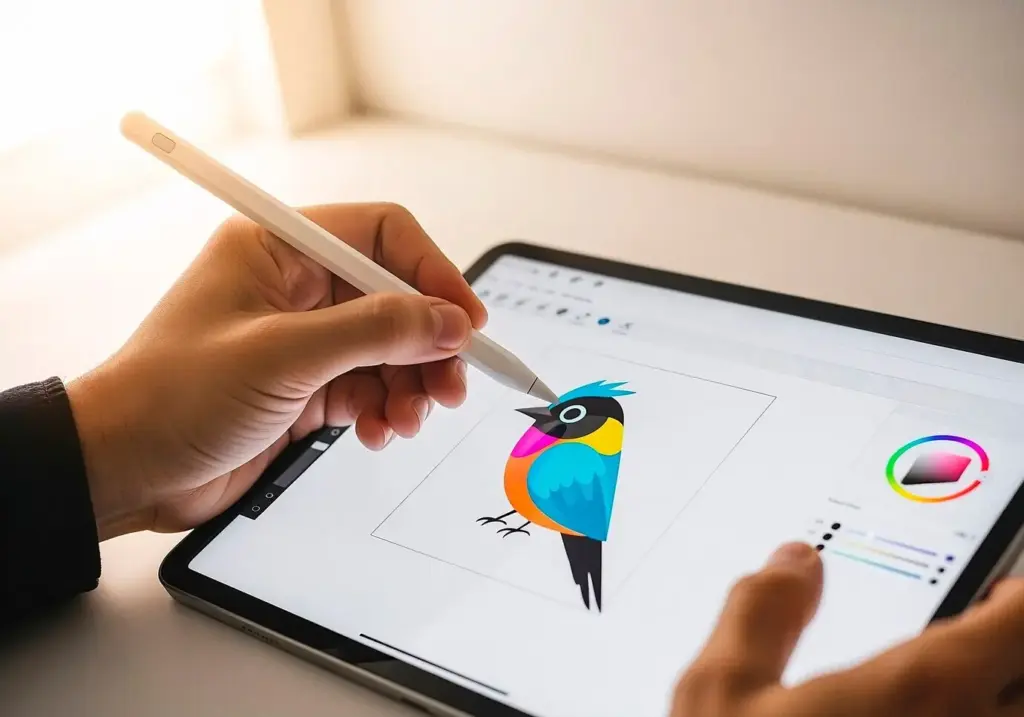
Visual note‑taking thrives with or without devices. Cameras capture whiteboard sketches, tablets offer layers and undo, and slide decks host icon banks and templates. Blend analog and digital to suit your context. Establish privacy norms, credit sources, and celebrate process, not just polished pages. Encourage sharing within classroom walls or through protected portfolios. Keep momentum with weekly challenges, seasonal galleries, and cross‑grade exchanges. As routines stick, students carry these tools into independent study, projects, and lifelong learning.

All Rights Reserved.