


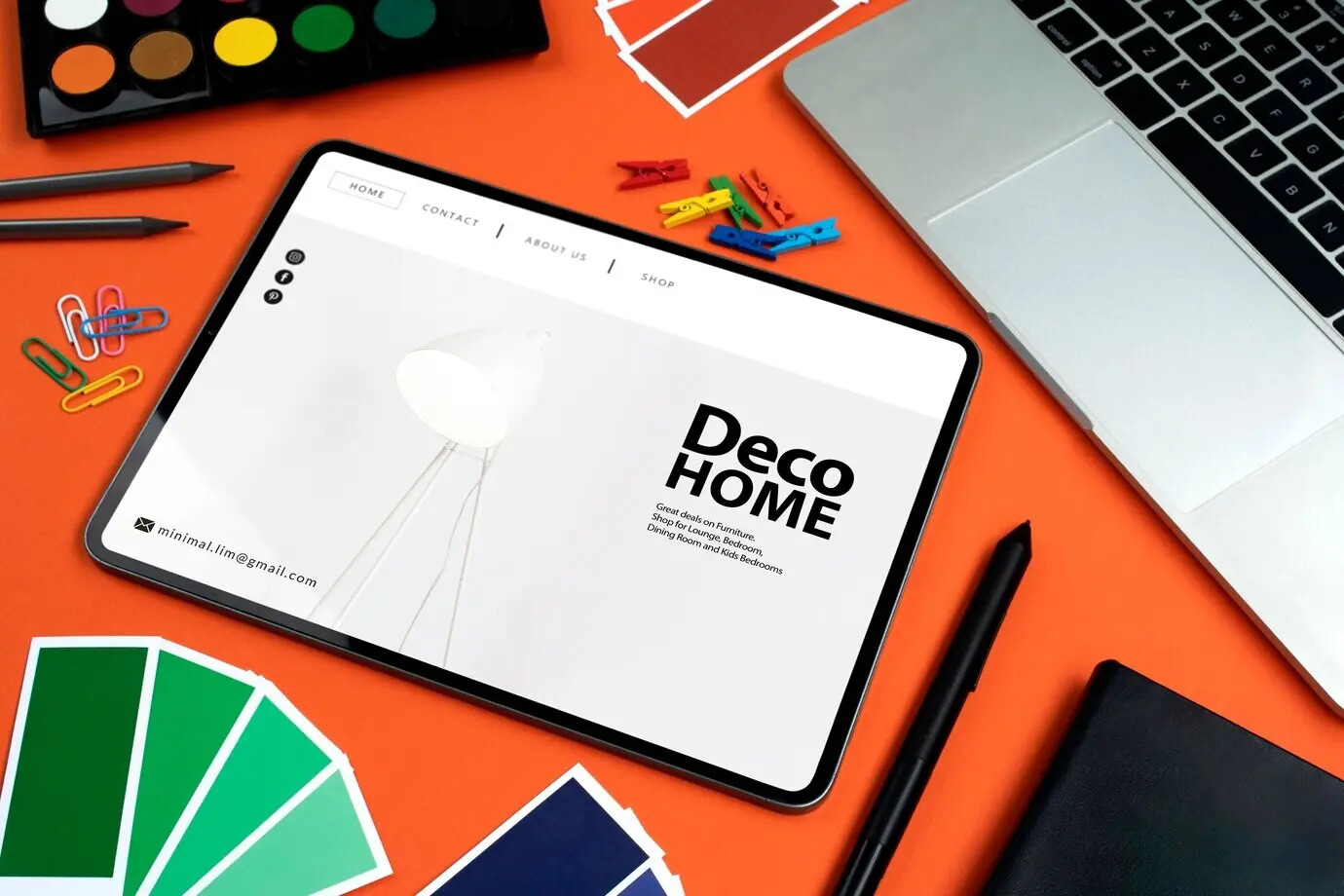
Anchor the page with a bold title, then vary line weight for subheads and body notes. Employ one accent color for spotlight moments. Mix lettering styles sparingly for rhythm. Repeat patterns to teach readers how to scan. Have a lettering trick for speed without mess? Share your favorite capital style or brush setting and why it still reads well from the back row.
Boxes, banners, arrows, and connectors define relationships. Let arrows carry energy, curved lines soften transitions, and dotted connectors hint at open questions. Keep breathing room around quotes. Use diagonal movement to imply progress. What container do you rely on for tricky interdependencies—swimlanes, timelines, or stacks? Add a photo or description and inspire someone facing a tangled multi-stakeholder story tomorrow.

Design a consistent shorthand for common words, and keep a tiny legend in a corner. Favor tall, narrow letters to maximize space. Pre-decide symbols for metrics, quotes, and actions. Practice writing phrases in breath-length bursts. What abbreviations or mark conventions help you keep pace yet remain readable when photographed and shared live to social streams during a fast keynote?

Smudge? Turn it into shadow. Misspelled word? Strike once and rewrite boldly; honesty reads better than camouflage. Lost the thread? Draw a divider and label the pivot. Audience question knocked you off course? Summarize the answer as a sticky note. Share a favorite recovery move so others can see that resilient pages are often the most beloved artifacts afterward.
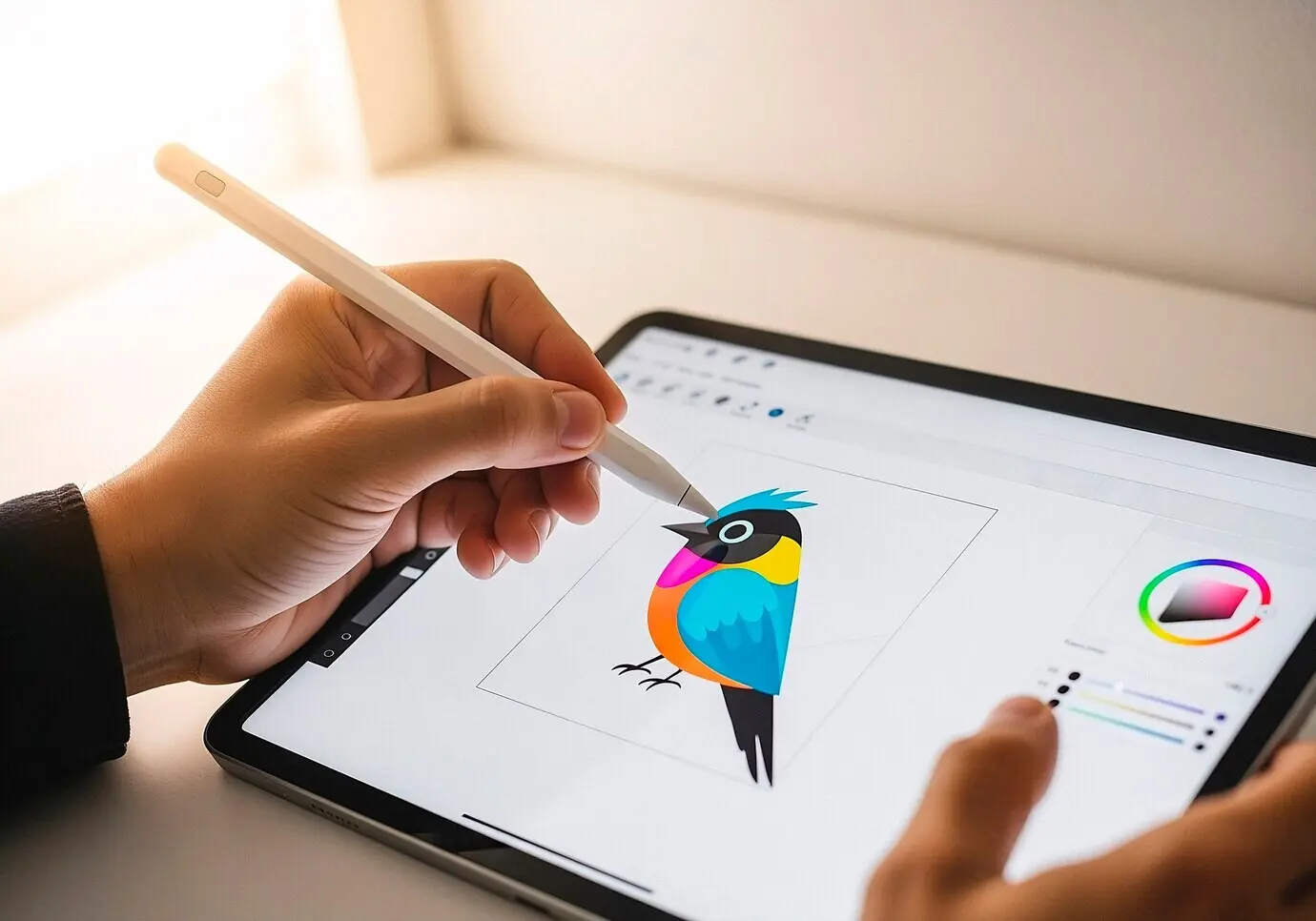
Assign each speaker a consistent color or corner. Capture names once, then initials. For Q&A, draw a funnel to separate questions, answers, and follow-ups. In lightning rounds, pre-grid the page and reserve a micro-spot for each talk. Have a panel layout that never fails? Describe it below and help newcomers survive unpredictable cross-talk without losing coherence or critical insights.
If allowed, post a legible draft mid-session to boost engagement, then a cleaned version afterward. Use the official hashtag, link the speaker, and avoid spoilers for embargoed content. Clarify when you paraphrase. What posting cadence or caption formula earns the best conversation for you? Share your approach so others can engage respectfully while amplifying ideas in real time.
Crop, straighten, and adjust contrast for readability. Add a concise description, session title, event name, and date for search. Consider stitching multi-page notes into a carousel. Back up in two places. Which metadata strategy or tool keeps your archive findable years later? Comment with templates or scripts and help peers build libraries that serve teams long after applause fades.
Use large text, strong contrast, and clear labeling. Avoid relying on color alone. Write descriptive alt text and include a short narrative summary for screen readers. Translate a headline if you can. What inclusive practice has expanded your audience or sparked unexpected gratitude? Share your story so we can grow a more welcoming, informative, and sustainable sketchnoting community together.
All Rights Reserved.