


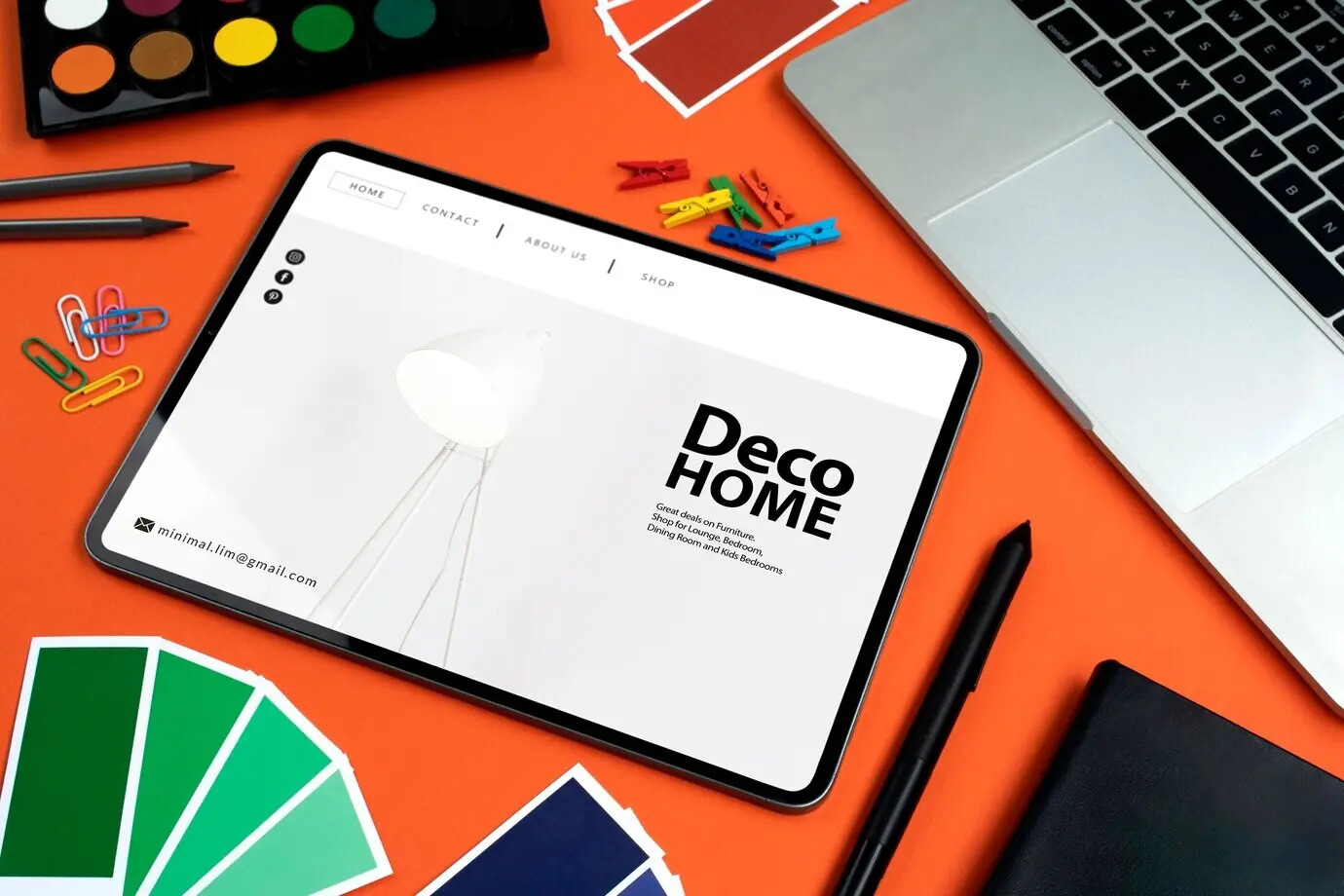
Draw the Talk: Real-Time Sketchnoting That Captures the Moment

Today we explore Live Sketchnoting at Conferences and Talks: Strategies for Real-Time Capture—what to pack, how to listen, and how to turn ideas into bold visuals without falling behind. Whether you sketch on paper or tablet, you’ll learn practical techniques for speed, clarity, and storytelling that help audiences remember. Expect road-tested tips, honest mistakes, and wins from bustling keynotes, panels, and lightning talks.

Start Strong: Preparation That Makes Speed Feel Easy

Before the first slide advances, preparation quietly determines your success. A thoughtful kit, prebuilt layouts, and quick-reference icons reduce cognitive load so you can focus on ideas, not tools. Plan for lighting, seating, and power. Aim for reliability over novelty. Share your pre-event checklist or favorite pen-paper pairings in the comments so others can benefit from what actually works under conference pressure.

Assemble a Reliable, Lightweight Toolkit

Pack only what you can deploy instantly: two line-weight pens, a high-contrast accent, and a backup for each. If digital, bring a charged tablet, extra nibs, and a battery pack. Favor matte surfaces that photograph cleanly. Test everything the night before. Tell us your trusted setup and any small item that saved your day when a room’s projector flickered or a marker died mid-quote.

Pre-Build Flexible Page Layouts and Icon Banks

Create modular templates for keynotes, panels, and lightning talks: headline areas, quote zones, and sidebars for stats. Prepare icon sheets for common concepts—clouds, locks, arrows, devices—so your hand remembers shapes under stress. Keep spacing generous for late-arriving insights. Share a snapshot of your go-to layout, and we’ll compile community variations for subscribers to remix before their next event.

Research Speakers, Domains, and Likely Vocabulary

Skim speaker bios, recent posts, and session abstracts to anticipate frameworks and jargon. Prepare abbreviations for recurring phrases, and decide on a symbol for each major concept. Set a listening goal—story, method, or takeaway. This cuts hesitation dramatically. Have a pre-event ritual or research hack that sharpens your ear? Comment with it and help fellow note-takers arrive confidently tuned.

Listen Like a Designer: Finding Structure in the Noise

{{SECTION_SUBTITLE}}

Spot Patterns, Signals, and Friction Points Fast

Listen for repeated verbs, phrases that start with numbers, and tensions like “but,” “however,” or “on the other hand.” These cues reveal structure and stakes. Mark turning points with bold connectors. Circle contradictions to revisit during Q&A. In comments, tell us a moment when one recurring phrase unlocked your whole layout and helped the audience see the speaker’s hidden throughline.

Chunk Information Into Visual Modules

Break content into containers: a core idea, three supporting arguments, one example, and a next step. Keep modules consistent to minimize cognitive switching. When chatter accelerates, collapse details into grouped bullets with a symbol key. Share your favorite container pattern—grids, columns, or mind-map clusters—and how it helps you keep momentum without sacrificing nuance when pace and density spike.

Shape What You Hear: Visual Vocabulary and Composition

Clarity comes from intentional hierarchy and simple, repeatable marks. Use scale, contrast, and white space to express importance. Compose like a map, letting ideas flow naturally from origin to outcomes. Reserve decorative elements for moments that reinforce meaning. If a metaphor appears—bridge, ladder, compass—lean into it. Share an example page where a single visual metaphor unlocked comprehension for your audience.

Hierarchy Through Scale, Contrast, and Lettering

Anchor the page with a bold title, then vary line weight for subheads and body notes. Employ one accent color for spotlight moments. Mix lettering styles sparingly for rhythm. Repeat patterns to teach readers how to scan. Have a lettering trick for speed without mess? Share your favorite capital style or brush setting and why it still reads well from the back row.

Containers, Connectors, and Intentional Flow

Boxes, banners, arrows, and connectors define relationships. Let arrows carry energy, curved lines soften transitions, and dotted connectors hint at open questions. Keep breathing room around quotes. Use diagonal movement to imply progress. What container do you rely on for tricky interdependencies—swimlanes, timelines, or stacks? Add a photo or description and inspire someone facing a tangled multi-stakeholder story tomorrow.

Race the Clock Without Rushing

Speed comes from systems, not frantic hands. Limit choices, script your first thirty seconds, and time-box embellishments. Accept imperfections as badges of presence. When a slide storm hits, switch to bullets and icons, then refine during questions. Celebrate progress over polish. Tell us your best time-saver or a memorable recovery when a pen exploded, a mic failed, or a slide deck vanished.

Shorthand, Abbreviations, and Letterforms That Fly

Design a consistent shorthand for common words, and keep a tiny legend in a corner. Favor tall, narrow letters to maximize space. Pre-decide symbols for metrics, quotes, and actions. Practice writing phrases in breath-length bursts. What abbreviations or mark conventions help you keep pace yet remain readable when photographed and shared live to social streams during a fast keynote?

Recover Gracefully From Errors and Interruptions

Smudge? Turn it into shadow. Misspelled word? Strike once and rewrite boldly; honesty reads better than camouflage. Lost the thread? Draw a divider and label the pivot. Audience question knocked you off course? Summarize the answer as a sticky note. Share a favorite recovery move so others can see that resilient pages are often the most beloved artifacts afterward.
Handle Panels, Q&A, and Lightning Rounds

Assign each speaker a consistent color or corner. Capture names once, then initials. For Q&A, draw a funnel to separate questions, answers, and follow-ups. In lightning rounds, pre-grid the page and reserve a micro-spot for each talk. Have a panel layout that never fails? Describe it below and help newcomers survive unpredictable cross-talk without losing coherence or critical insights.

Color, Tools, and Environments That Work Onstage

Conference rooms are harsh: dim corners, glossy screens, and cramped seats. Use high-contrast palettes and avoid glare-prone inks. Test under low light and photograph test pages. Digital artists: lock layers and auto-save. Analog artists: plan quick photos and flat scans. What tool combination has proven foolproof in difficult venues? Share your picks so others can show up ready for anything.

Minimal Palettes That Stay Legible Everywhere

Choose one dark line color and one bold accent that survives projection, livestream compression, and phone cameras. Reserve a softer shade for shadows or categorization. Color earns its place by clarifying meaning, not adding noise. Post your two-color palette and a sample photo from a dim ballroom so readers can see how economy beats rainbow chaos under pressure.

Digital Workflows for Confident Live Capture

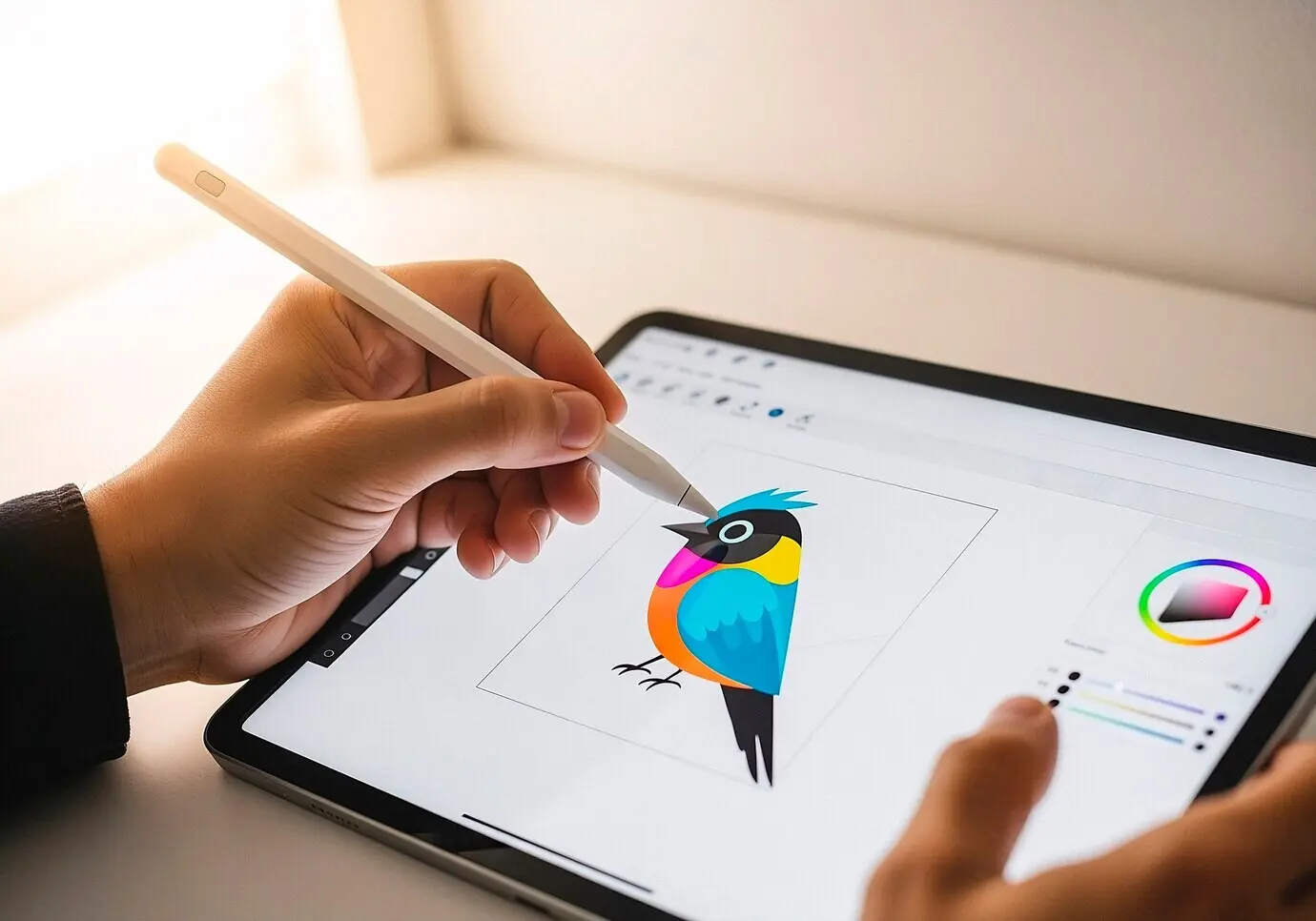
Create templates with locked guides, pre-made brushes for headline, body, and highlight, and named layers for easy exports. Keep reference palettes docked. Disable distracting notifications. Bring a long cable and a backup stylus. What brush settings or file export automation saves you minutes between sessions? Share your setup to help others publish quickly without sacrificing crisp, readable results.

Analog Workflows From Page to Post

Use matte paper to minimize glare, draw with pigment liners, and finish with a quick accent marker. Photograph near a window or use a portable light, then straighten and boost contrast. Capture metadata in the filename. Which scanning app or phone workflow gets you from seat to share in under five minutes? Teach us your steps and help the community move faster.

Share the Work: Publishing, Community, and Care

Sketchnotes are shared memory. Credit speakers, tag events, and respect boundaries. Add alt text for accessibility, and include a one-sentence takeaway. Archive with searchable titles and dates. Invite feedback and celebrate remixing with attribution. Subscribe for practice prompts, live critiques, and community showcases. Tell us where you post and what kind of response most motivates you to keep drawing publicly.

Live Sharing Etiquette and Strategic Timing

If allowed, post a legible draft mid-session to boost engagement, then a cleaned version afterward. Use the official hashtag, link the speaker, and avoid spoilers for embargoed content. Clarify when you paraphrase. What posting cadence or caption formula earns the best conversation for you? Share your approach so others can engage respectfully while amplifying ideas in real time.

Post-Production for Clarity, Search, and Longevity

Crop, straighten, and adjust contrast for readability. Add a concise description, session title, event name, and date for search. Consider stitching multi-page notes into a carousel. Back up in two places. Which metadata strategy or tool keeps your archive findable years later? Comment with templates or scripts and help peers build libraries that serve teams long after applause fades.

Inclusive Choices for Accessibility and Reach

Use large text, strong contrast, and clear labeling. Avoid relying on color alone. Write descriptive alt text and include a short narrative summary for screen readers. Translate a headline if you can. What inclusive practice has expanded your audience or sparked unexpected gratitude? Share your story so we can grow a more welcoming, informative, and sustainable sketchnoting community together.

Autodemarches
Privacy Overview

This website uses cookies so that we can provide you with the best user experience possible. Cookie information is stored in your browser and performs functions such as recognising you when you return to our website and helping our team to understand which sections of the website you find most interesting and useful.